The weather in the Washington, DC area has been pretty miserable lately. We’ve had 13 straight days of rain and there’s more in the forecast. Lots more. Oy. Susan flew in for the Maryland Sheep & Wool Festival. We had fun, even though it was a bit of a Maryland Sheep & Mud Festival. We’ll clue you in on our (modest) purchases as they are knit up. Susan did get this shot of a cute little lamb that had just had a bottle and was falling asleep.

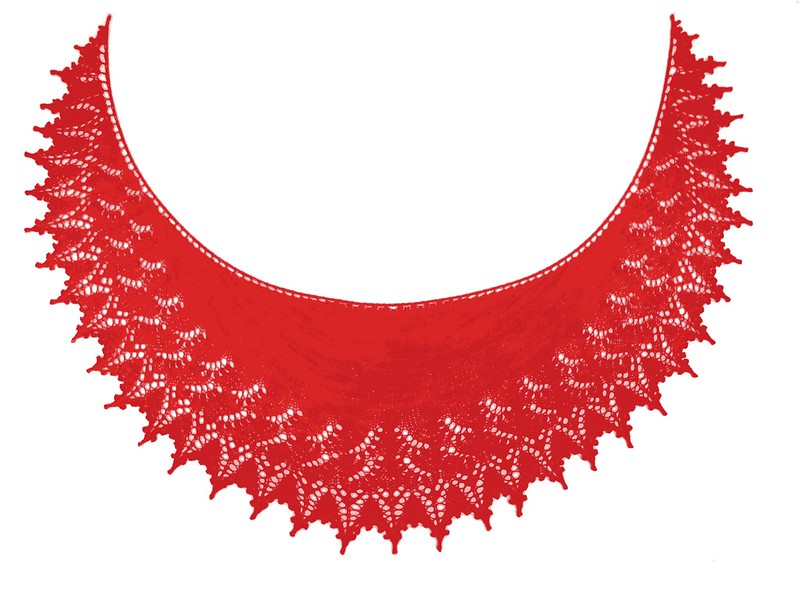
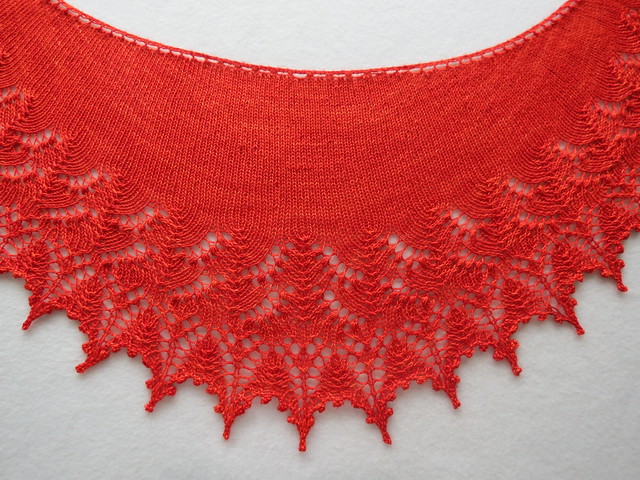
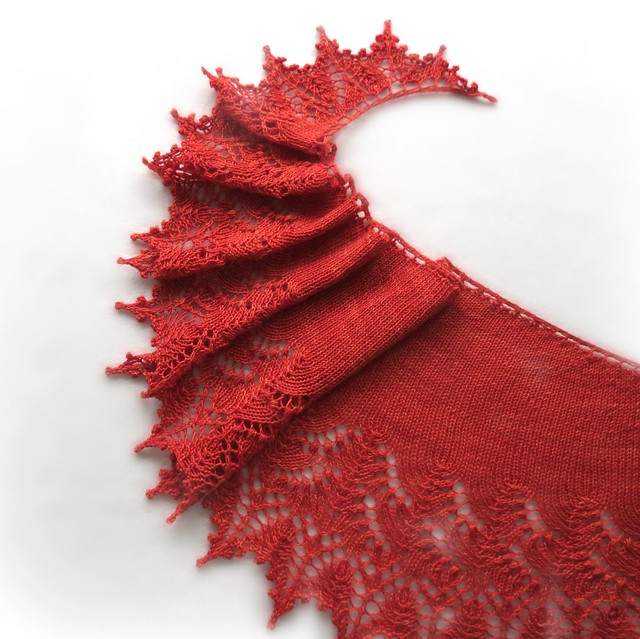
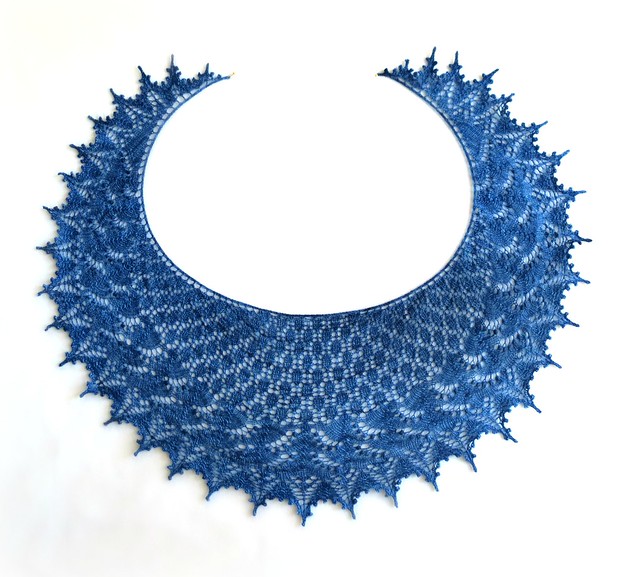
My latest project couldn’t have been more appropriately named: Waiting for Rain designed by Sylvia Bo Bilvia.
Waiting for Rain inserts short row lace panels into an otherwise ordinary garter stitch crescent shawl. It’s lovely in its simplicity. The construction is ingenious. The knitting is easy. What’s not to like?
I knit mine out of Entice, a fingering weight blend of merino, cashmere, and nylon from Hazel Knits. The color is Sedge.


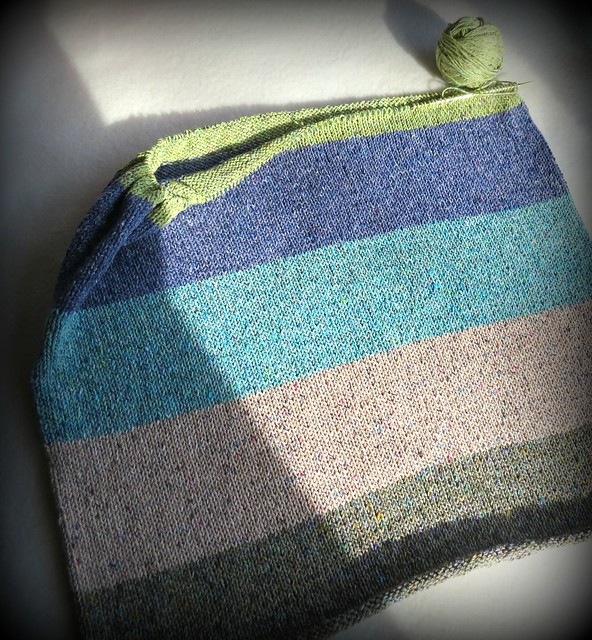
I love the color. I also noticed it went perfectly in my Library. So perfectly that I went back to Fibre Space in Alexandria, Virginia and bought a couple of “big wheel” skeins of Cadence, a worsted weight superwash merino. (The big wheels hold a generous 600 yards each.) I plan to knit a nice sized throw to keep me warm this winter.

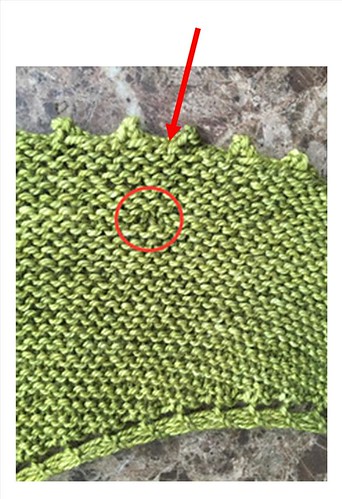
P.S. Let me add one little note. I wore my new shawl when I picked Susan up from the airport. As we were driving home, I glanced down and saw a mistake. What??!!?? I hadn’t seen it while I was knitting. I hadn’t seen it when it was blocked. But suddenly there it was — a stitch that I had screwed up so it looked like there was a small spot of stockinette in the midst of the garter. Aargh.

The mistake was near the bind off, but at the “wrong” end. I could easily fix it, but I’d have to rip out the tedious bind off. My other choice (besides ignoring it, which is NOT a Rainey Sister option) was to cut the yarn at the point of the mistake, drop back, fix it, and then ladder back to the bind off. I could do it. I’ve done worse. But luckily for me, Dr. Susan was in the house. I had a mild case of the vapors while she got out the scissors. A few minutes later, all was well. Thanks, Sis!

PS from Susan — Sally (and hubby) were great hosts and I had such a fun weekend despite the rain. I liked Sally’s shawl so much I bought yarn for one of my own. It seemed like a fast knit, but that is not the case! My return flight had “issues” and was delayed almost three hours. 🙁 You never want to see men digging around in your plane’s engine…
PS2 to NewJerseyLaura: I did not do a duplicate stitch because I did not want ends woven into the body of the shawl. I cut the bind off (which was heading from right to left) where the arrow is pointing. I unraveled the picot to the right of the arrow. I picked out the sts to the picot to the left of the arrow. I dropped down to the mistake, fixed it and laddered up. Then I spliced in more yarn and bound off, starting with the picot I had unravelled and ending at picot #2 — where I did my best to mimic the path of the yarn I had cut. There were two ends to weave in, and I wove them into picot #2. Picot #2 is now a little fatty, but in the scheme of things, far less noticeable!!